2000‑P Sacagawea Gold Dollar : The 2000-P Sacagawea Gold Dollar, with its gleaming golden hue and image of the Shoshone guide from Lewis and Clark’s expedition, has long captivated coin enthusiasts since its debut as America’s dollar coin refresh.
Minted in Philadelphia in massive quantities—over 1.2 billion pieces—most still circulate at face value, but whispers of rare varieties worth thousands have reignited interest in early 2026.
Stories of everyday folks unearthing high-value errors from change jars or inheritance piles fuel online forums, turning a coin meant to replace paper bucks into a numismatic star.
That distinctive “P” mint mark beneath the date signals its origin, but true treasures hide in subtle design tweaks or production glitches that slipped past mint quality checks.
As precious metal prices climb and hobbyists seek inflation-proof assets, these dollars draw fresh hunts across U.S. bank rolls and estate sales.
Common Coins Versus Hidden Gems
At first glance, a typical 2000-P Sacagawea Dollar shines bright thanks to its manganese-brass cladding, weighing in at 8.1 grams with Sacagawea facing forward alongside her infant son on the obverse and soaring eagle reverse.
Circulated examples fetch just $1 to $4 from dealers, while uncirculated rolls might nudge $10-20 for patient sellers. High-grade MS68 or better pieces from standard strikes climb to $50-100, appealing to set builders chasing perfection without breaking banks.
Condition reigns supreme—bag marks or environmental toning slash premiums, but pristine “golden” luster holds steady.
Numismatists emphasize original surfaces over cleaned or dipped coins, which plummet in appeal. In 2026’s market, commoners provide steady entry points for newcomers dipping toes into modern collecting.
The Coveted Cheerios Promotion Variety
Buzz peaks around the 2000-P Cheerios Dollar, a promotional variant tucked into 5,500 cereal boxes that February.
Unlike standard reverses, this prototype boasts extra tail feather detail on the eagle—incised lines creating a bolder, more dynamic spread visible under magnification.
Certified survivors in MS68 fetch $4,000 to $10,000 at auction, with raw examples sparking eBay bidding wars around $2,500 after authentication.
General Mills partnered with the Mint for this Lewis and Clark nod, making it scarcer than even key-date Morgans.
Collectors prize its “Type 2 Reverse” as a pre-production peek, with PCGS population reports hovering low for top grades. Recent sales underscore enduring demand, rewarding those who scrutinize folder fillers from teller trays.
Wounded Eagle Die Variety Draws Eyes
Another standout, the 2000-P Wounded Eagle, features a die gouge slashing across the reverse eagle like a spear wound—jagged lines disrupting flight feathers for a battle-scarred look.
Common in mid-range grades at $50-200, gem MS67+ examples soar to $5,000, blending accessibility with upside. This variety’s dramatic flaw turns a routine dollar into storytelling art, evoking Sacagawea’s frontier perils.
Variety hunters cross-reference die markers like weak stars or clashes, with attribution guides boosting resale.
Online communities share macro photos, helping spotters confirm hits before grading submissions. In circulated estate lots, these emerge as sleeper stars amid commoners.
Ultra-Rare Mule Errors Steal the Show
Mule errors—wrong obverse-reverse pairings—elevate the 2000-P to legend status, like the Sacagawea reverse mated with a Washington quarter obverse, complete with reeded quarter edge.
Fewer than 20 certified exist, hammering $50,000 to over $100,000 at Heritage auctions, with one topping $194,000. The mismatch screams mint mayhem from 2000’s hectic startup, blending quarter diagnostics with golden dollar flair.
Such rarities demand expert eyes—edge reeding trumps smooth Sacagawea norms. Spotters chase bank-wrapped rolls or CRH (coin roll hunting) hauls, but fakes proliferate, underscoring NGC/PCGS slabs for liquidity. These outliers redefine “small change” windfalls.
Experimental and Proof Counterparts
Whispers persist of 2000-W experimental 24k gold pieces from West Point, never for circulation but auctioned quietly—six figures for verified survivors.
Proof S-mint versions from San Francisco sets range $5-40, with deep cameo gems hitting $100+. Millennium coinage packaging adds luster, pushing D-mint sets to $200-800.
Buyers weigh risks: raw versus slabbed, with grading unlocking premiums via population rarity. Forums buzz with 2026 trends—stable commons, surging errors amid economic hedges.
Hunting and Preserving Your Dollar
Start with magnification: probe eagle tails for Cheerios incuse, trace wounds, or feel edges for mules. Shun cleaners; raw submission risks rejection.
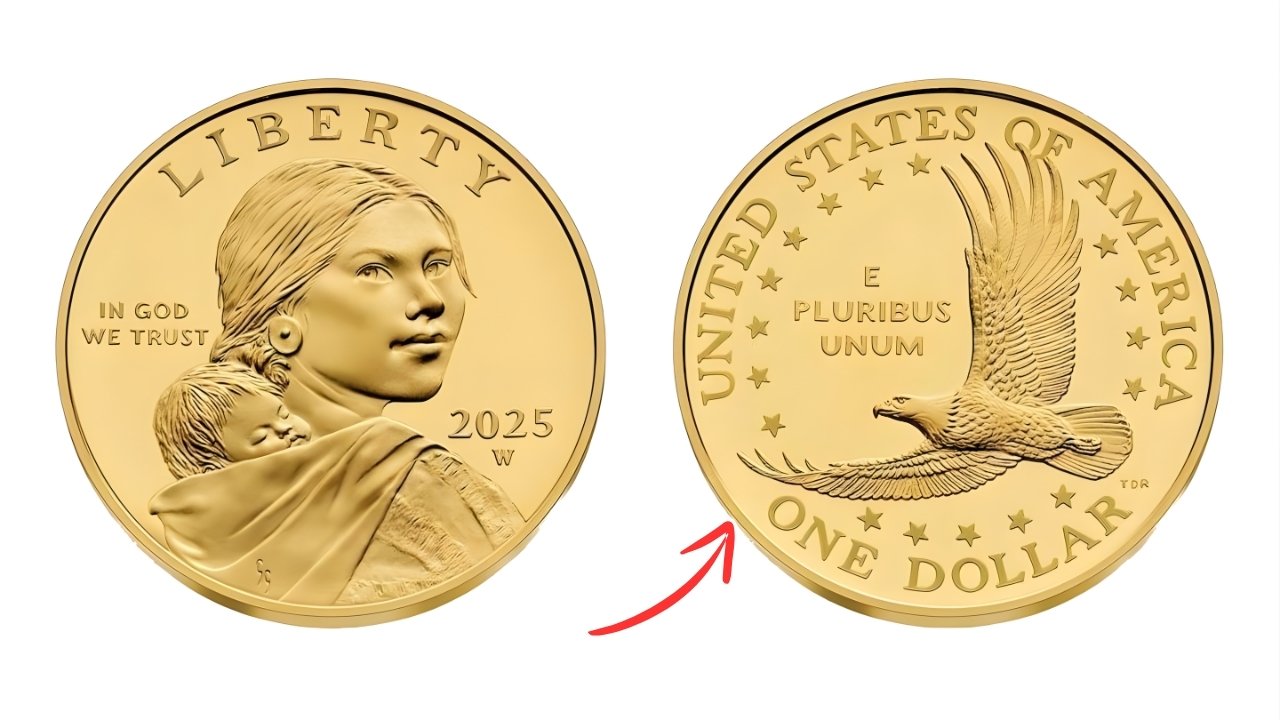
Local shops offer free peeks, but pros like PCGS maximize returns. eBay trends show certified sales outpacing raw, with patience yielding flips.
Economic tailwinds buoy moderns—low entry barriers hook generations, while rarities anchor portfolios. Avoid hyped “gold” claims; verify brass composition via specific gravity or spectrometry.
2000‑P Sacagawea Gold Dollar
The 2000-P Sacagawea Gold Dollar blends everyday accessibility with rare variants like Cheerios and mules that command five-figure auctions, proving fortune favors the observant.
From cereal box promos to mint mishaps, these coins chronicle a program’s rocky launch, rewarding hunters who preserve condition and authenticate wisely.
Also Read this – Rarest Lincoln Wheat Penny Coin worth Chart – Still Circulating in USA
In 2026’s collector surge, that overlooked folder find might just rewrite your financial story—grab a loupe and dive into the hunt.