Rare State Quarters Coins : State quarters from the U.S. Mint’s 50 State Quarters Program, launched back in 1999, were meant to spark patriotism and pocket change hunts across America.
Nearly three decades later, certain rarities from that beloved series are fetching eye-watering prices at auctions, turning grandma’s change jar into a potential goldmine.
Collectors in 2026 are scouring circulation for error coins, low-mintage proofs, and pristine gems, as economic jitters drive hobbyists to tangible assets like these 25-cent treasures.
What started as a simple nod to each state’s heritage has evolved into a numismatic frenzy, with some quarters now valued thousands of times their face amount.
Everyday finds could pad retirement funds, but spotting the real deals demands a keen eye and expert verification.
The 1999-P Connecticut Broadstruck Marvel
Kicking off the list is the 1999-P Connecticut quarter, infamous for its “broadstruck” error where the coin blank slipped during striking, spreading metal beyond the collar for an oversized, off-center design.
Minted in Philadelphia, this anomaly captures the Charter Oak on reverse in wild distortion, making each survivor a one-of-a-kind conversation piece. PCGS records peg top examples at over $4,362, with pristine pieces pushing even higher amid 2026 demand.
Most circulated quarters fade into obscurity, but this error’s rarity—fewer than a handful certified—fuels bidding wars among error enthusiasts.
Collectors cherish how it embodies mint mishaps from the program’s euphoric launch year, when America first obsessed over state-themed change. Recent eBay sales confirm steady premiums, rewarding patient hunters who skip the cleaners and rush to graders.
2008-D Alaska’s Pristine Powerhouse
Hailing from the program’s tail end, the 2008-D Alaska quarter celebrates the Last Frontier’s grizzly bear and Mount McKinley, but ultra-high-grade survivors steal the spotlight.
Struck in Denver, an MS69 specimen shattered expectations with a $2,350 auction in 2017, and 2026 market trackers show similar gems holding or climbing value. Full original luster and razor-sharp details separate these from common folder fillers.
Alaska’s remote vibe mirrors its coins’ scarcity in top condition—despite massive mintages, untouched rolls surface rarely.
Numismatists note how the D mint mark pairs with flawless surfaces to command four figures, drawing investors beyond casual collectors. Stories of Alaskan windfalls circulate online, inspiring nationwide searches through bank boxes and estate lots.
1999-S Delaware Proof Perfection
Proof coins from San Francisco often outshine circulation strikes, and the 1999-S Delaware quarter proves it with values soaring past $500 for choice examples, up to $1,000 in elite condition.
Featuring the Caesar Rodney ride, this first-year proof embodies program purity, with deep mirrors and frosty devices captivating under light. Auction data highlights deep-cameo gems hitting five figures for patient holders.
As the program’s opener, Delaware proofs rode a wave of hype, but pristine survivors remain elusive due to handling over decades.
Modern grading slabs boost liquidity, turning modest sets into serious portfolios. In 2026’s bullish market, these S-mint beauties lure newcomers dreaming of quick flips.
2005 Doubled Die Minnesota Extra Tree
Minnesota’s 2004 quarter grabbed headlines for “extra leaf” errors—low leaf and high leaf varieties—but the 2005 doubled die version amps the drama with ghostly tree outlines sprouting rightward.
High-grade MS67+ pieces fetch $500 to $700, their subtle doubling visible only under magnification. The North Star State’s outline frames the anomaly perfectly, blending state pride with mint magic.
Thousands exist, yet gem condition rarity keeps values firm, especially post-2025 surges. Collectors swap tales of cherry-picking rolls at banks, striking it rich on overlooked extras.
This error’s accessibility makes it a gateway drug for the hobby, with eBay proving consistent outlets for certified sellers.
2000 South Carolina Strike Stars
Rounding out heavy hitters, the 2000-P South Carolina quarter dazzles with palmetto tree and crescent moon, but off-center strikes and MS69 perfection propel values from $500 to $2,500 or more.
A PCGS-tracked regular strike hit $3,000+, underscoring elite status. Early program coins like this carry nostalgic pull, amplified by pristine preservation.
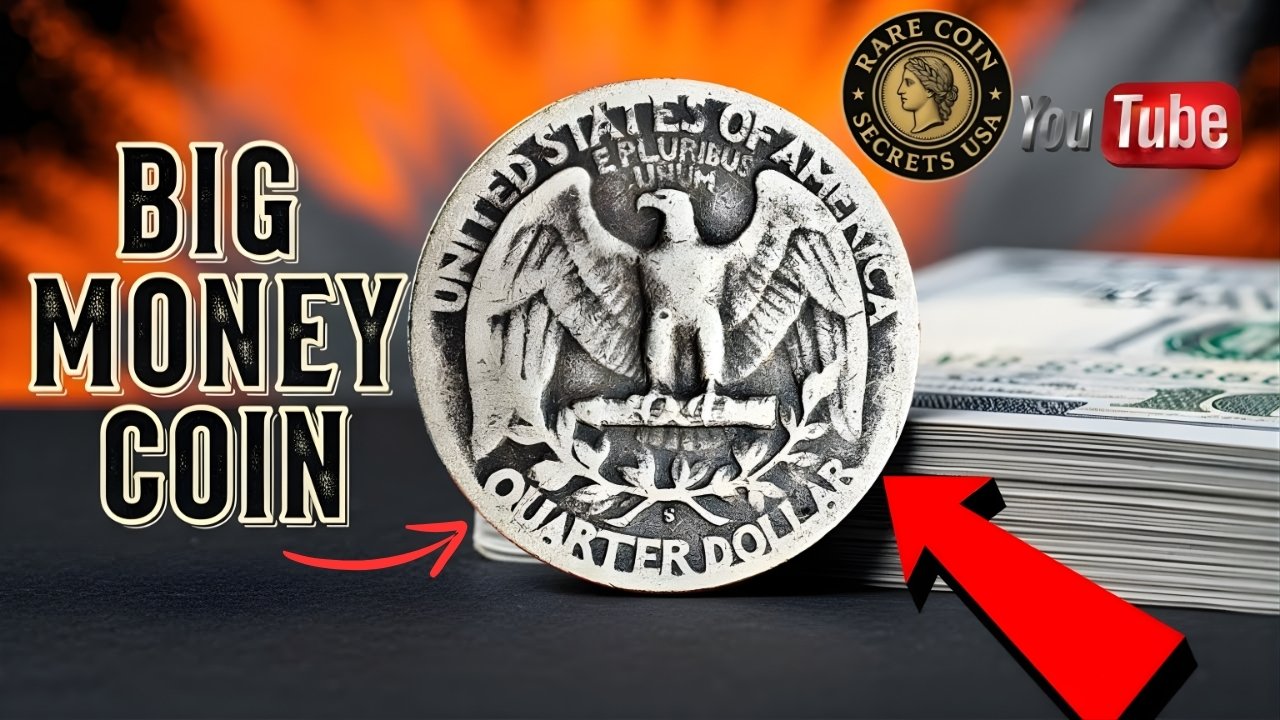
Mintage flooded circulation, but untouched survivors whisper of attic hoards waiting discovery. Savvy graders spot die clashes or doubled elements boosting premiums, fueling 2026 hunts amid inflation hedges. These quarters remind us history lurks in loose change.
Hunting Tips for Modern Treasure Seekers
To bag these rarities, shun jewelry store tumblers—raw coins risk scratches slashing worth. Target teller trays, estate sales, and online raw lots, then slab via PCGS or NGC for max resale.
Magnify mint marks, scrutinize edges for broadstrikes, and chase full red luster on coppers. Fakes plague eBay, so authentication trumps impulse.
Community forums buzz with fresh finds, from Wisconsin extras to Kansas rust legends, but state quarters’ charm lies in stories each design tells. Values stabilize upward, rewarding long-term holders over flippers.
Rare State Quarters Coins
Rare state quarters like the broadstruck Connecticut, pristine Alaska, and doubled Minnesota gems prove the 50 State program birthed enduring treasures worth thousands today.
What began as educational change sparked a collecting revolution, where patience and preservation unlock windfalls from forgotten pockets.
Also Read this – Rarest Lincoln Wheat Penny Coin worth Chart – Still Circulating in USA
In 2026’s uncertain economy, these coins offer stability and excitement—dig through your drawers, grade wisely, and who knows what state-shaped fortune awaits.